
In jewelry, your photos do a lot of the heavy lifting.
Before a customer ever walks into your store or sends you a message, they’ve already judged your work based on an image. If the lighting is off or the diamond looks flat, trust drops instantly. And as anyone who has tried photographing a diamond knows, capturing its fire and true color is no small task.
For years, one solution has dominated the conversation: the GemLightbox. But is it still the best option — or are we entering a new phase in how jewelry gets presented online?
Let’s take a closer look.
What Is the GemLightbox?
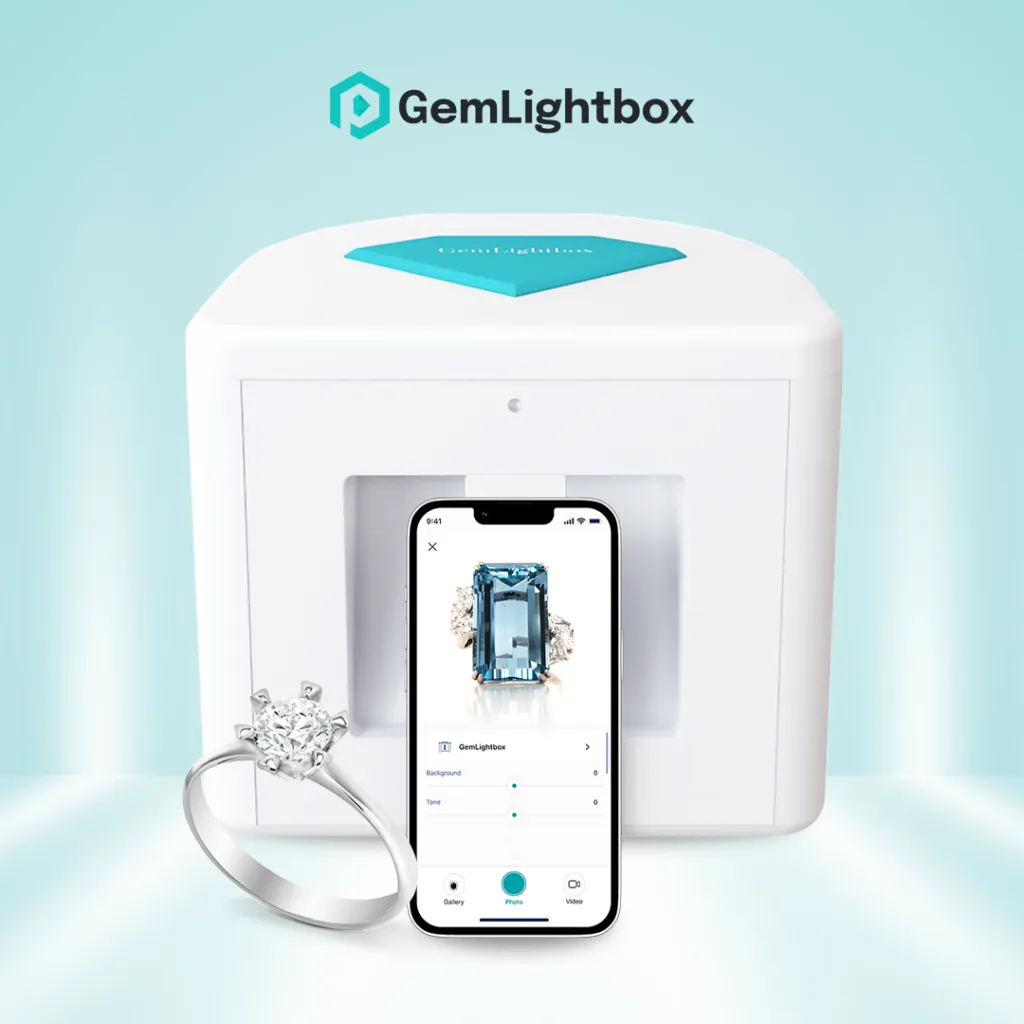
Created by Picup Media, the GemLightbox is an all-in-one photography system built specifically for jewelers. It’s designed to make high-quality product photography accessible without needing a DSLR, studio lighting setup, or technical photography skills.
You place your piece inside, use your smartphone, and the system handles the rest.
It’s built around simplicity and consistency — two things that matter a lot when you’re photographing multiple pieces for a website or social media.
Key Features
Lighting modes designed for jewelry
The built-in “Daylight” and “Sparkles” modes are tailored to enhance diamonds and reduce harsh reflections on polished metals. That alone solves one of the biggest frustrations in jewelry photography.
App-based automation
The companion app walks you through capturing still images and 360-degree videos. Background removal is automatic, which speeds up the workflow significantly.
Integrated turntables (on advanced models)
Higher-end versions include built-in turntables that create smooth rotational videos without manual adjustments.
Consistency across your catalog
Because everything is shot inside the same controlled environment, your entire collection maintains uniform lighting and angles — something that instantly elevates your brand’s online presence.
The Pros and Cons
Like any tool, it’s not perfect. Here’s a realistic breakdown.
The Upsides
- Extremely easy to use. You don’t need to understand ISO, aperture, or white balance. That’s a major relief for busy store owners.
- Fast workflow. You can photograph a piece, generate a 360-degree video, remove the background, and upload it — all within minutes.
- Improves customer confidence. Clear, detailed images reduce hesitation. Customers feel more comfortable purchasing when they can truly see what they’re getting.
The Limitations
- The cost. It’s a serious investment. Entry models are expensive, and Pro versions can exceed $3,000.
- Accessories add up. Specialized mounts and additional turntables often come at an extra cost.
- Limited creative flexibility. It excels at clean, catalog-style imagery. But if you want stylized, editorial, or lifestyle shots, you’ll still need a different setup.
- Still dependent on your phone. At the end of the day, image quality is tied to your smartphone’s camera.
So, Is a Physical Lightbox Worth It?
If you manage a large inventory and need consistent, web-ready images quickly, the GemLightbox absolutely delivers. It removes complexity and gives predictable results.
But it also locks you into hardware. And that raises an interesting question:
What if you didn’t need the box at all? What if you could create imagery without worrying about lighting, dust, reflections, or even having the piece physically in front of you?
The Next Shift: AI-Generated Jewelry Imagery
While lightboxes refine traditional photography, a new approach is quietly changing how jewelry brands create visuals.
Instead of improving the camera setup, some jewelers are skipping the camera altogether.
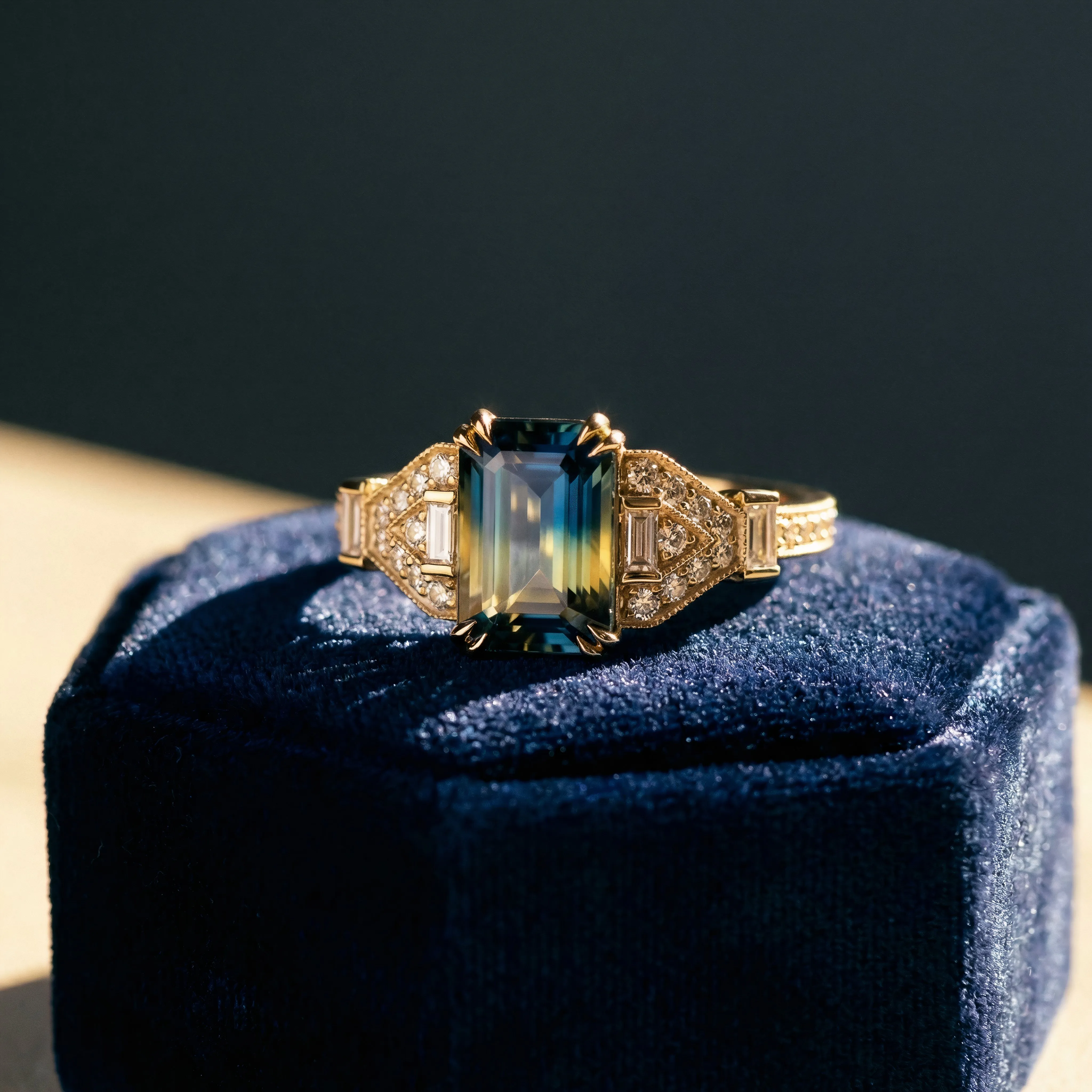
This image was generated entirely with AI. The directional lighting, shallow depth of field, and velvet staging would require a professional photographer and a styled set — not a lightbox.
AI-generated imagery allows you to create realistic jewelry visuals without physical equipment. And that opens up possibilities that simply weren’t practical before.
Where It Gets Interesting
- No physical setup. No lights. No tripods. No adjusting angles. No retakes because a fingerprint showed up.
- Lifestyle images on demand. Instead of a ring on a white background, you can present it on a hand, in a luxury setting, on silk, in natural sunlight — without booking a model or renting a location.
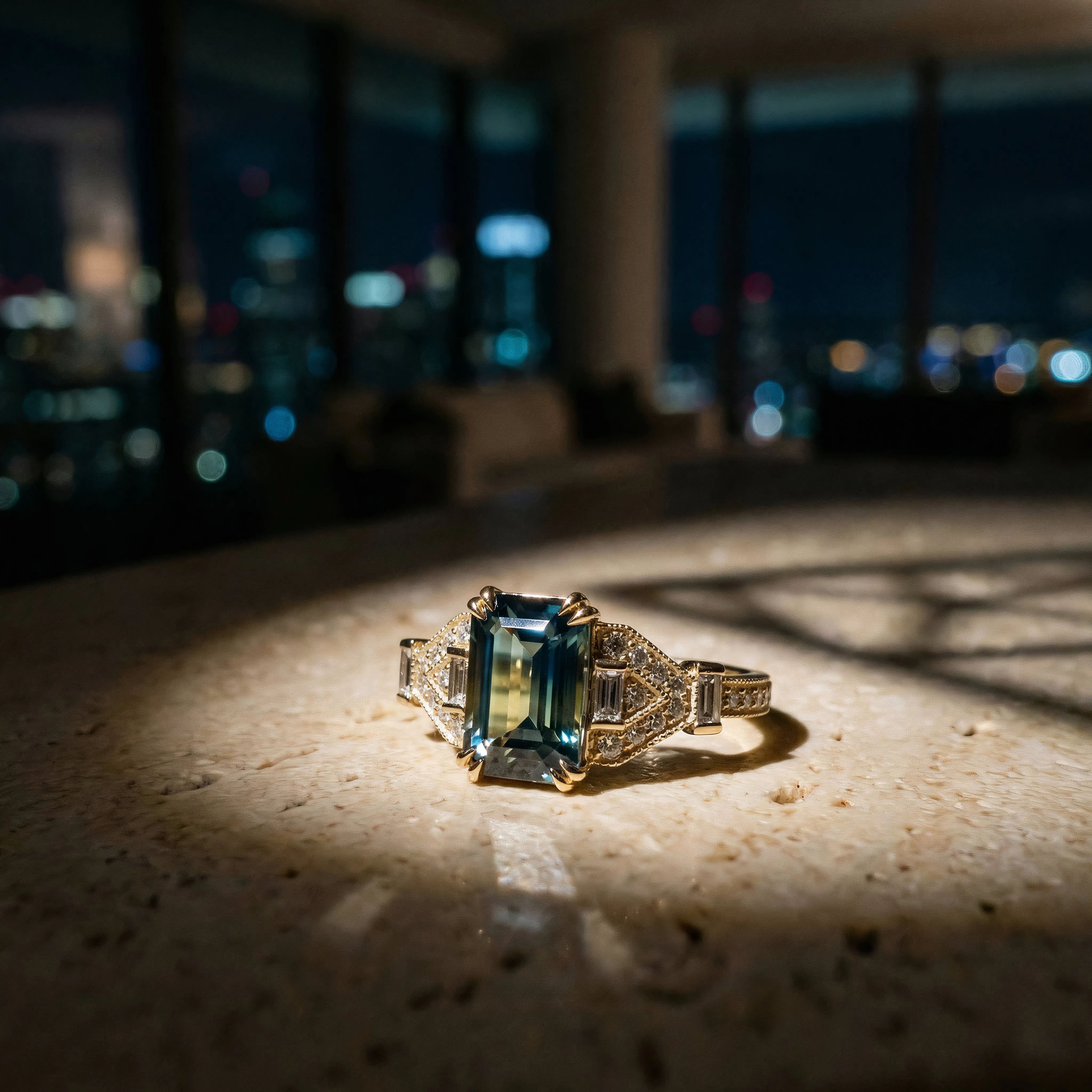
Same ring, completely different story. Try getting this shot from inside a lightbox.
- No hardware investment. You’re not spending thousands on equipment upgrades or accessories.
- Show designs before production. You can generate highly realistic images directly from CAD files. That means you can test demand, gather pre-orders, or market custom designs before manufacturing begins.
The Bottom Line
Traditional photography captures what exists. AI allows you to present what could exist — polished, styled, and ready for the spotlight.
For some jewelers, a physical lightbox is still the right tool. For others, especially brands focused on marketing flexibility and speed, digital creation offers an entirely new level of freedom.
The real shift isn’t about replacing photography. It’s about expanding what’s possible.
And for an industry built on brilliance, that feels like a natural next step.